Feeds:
Posts
Comments

Digging for Cockles


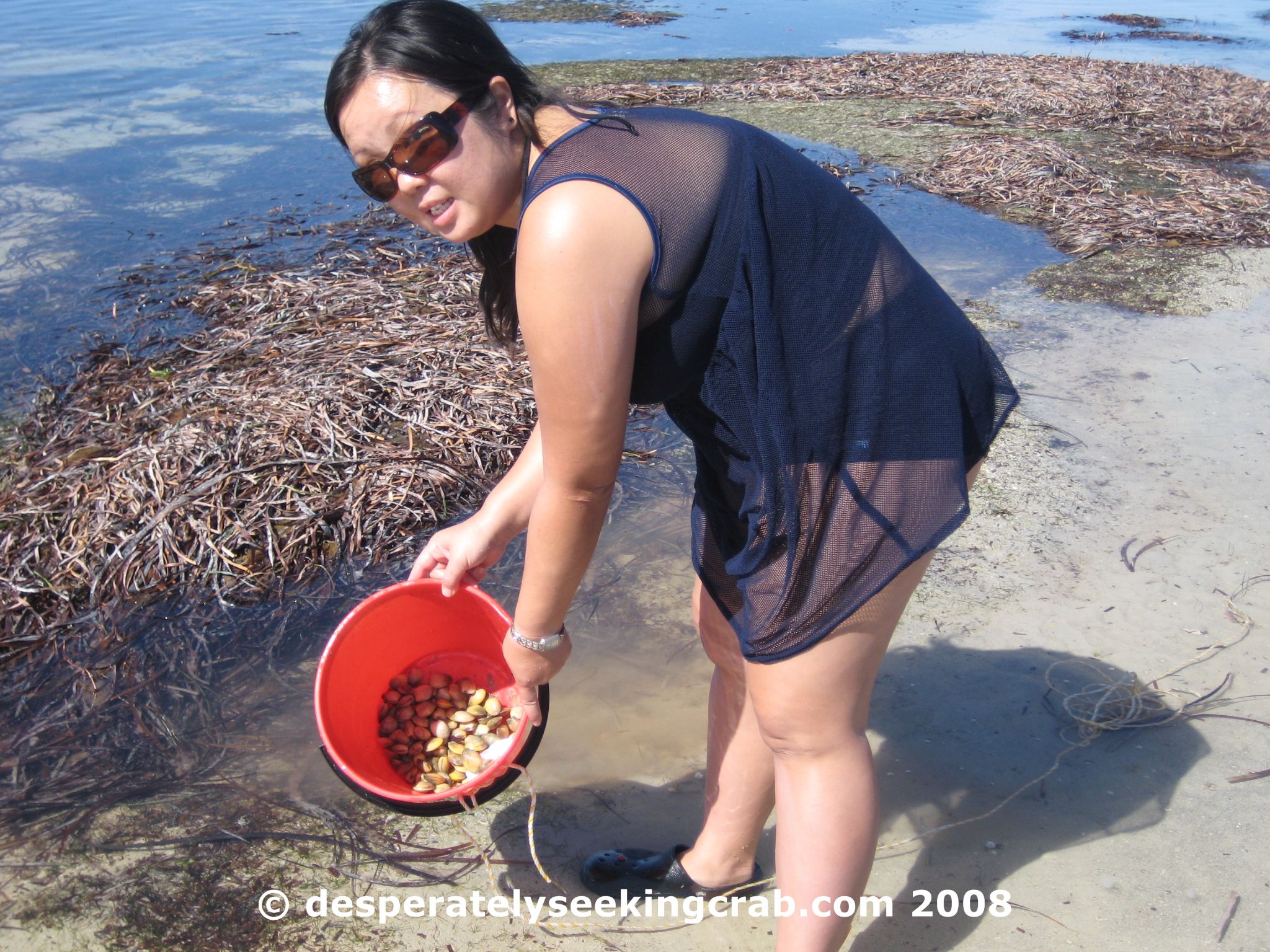
When it comes to finding food in the wild, I can actually surprise myself when the findings are great. Sometimes, it seems as though I have the metal detecting version of food finding and my eyes are able to highlight (as if in fluorescent green) fruit growing on an abandoned tree by the side of the road as if yelling to me to pick them and to create something amazing. A couple of weeks ago on a long weekend getaway to the Yorke Peninsula (about 2.5 hr drive from here), we were invited to stay at a beach shack with some friends. This tiny community is practically in the middle of nowhere and the beach was not that enticing because it was thick with sea grass debris everywhere. Just as we were packing our cars to leave, I decided to take a walk to the ocean. When I got there, I noticed that there were quite a few WHOLE, LIVE cockles (clams in N. America) all over the place. Usually there are tons of shells that are empty but these cockles were definitely live and nice and heavy for their size. So I dug under the sand, near the grassy bits (where they usually hide) and came with fistfuls of these wonderful cockles which are often called vongole (Italian) in the fish markets here. I was in absolute
heaven with my discovery and was soon filling a quarter of my bucket with them. I couldn’t wait to get them home to make spaghetti con vongole for dinner.

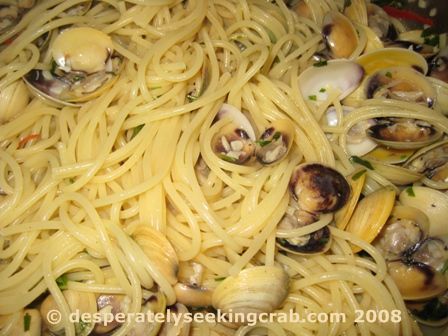
As soon as we got home, I rinsed them very very well, repeated with water and scrubbed a few of them that looked like they had a healthy colony of algae growing on them. Meanwhile, I started to boil the water for the pasta and I sauteed the vongole with some olive oil and butter (I like both) and garlic, white wine, chillies, basil, flat leaf parsley and garnished with fresh Parmesan. The cockles were absolutely tender and about the least sandy cockles I’d ever eaten in my life.

The next day, I decided to prepare them completely differently. I made homemade miso soup with tofu and threw in the cockles and ate a huge bowl of it with hot rice. The slightly briny flavour of the cockles mixed with the salty, umami of miso is heaven and not to mention, plenty of minerals and very good for you. 😉

Raw Tea

While finding designer drinks on supermarket and convenience store shelves is by no means unique in today’s multi-billion dollar drinks industry, the newest fad in drinks seems to be taking advantage of the new “tea” craze with its touted antioxidant goodness. Sadly, I think that the usual sweetened bottled iced teas (whether it’s black, green or white teas) contain so much sugar that the sugar is practically canceling out the antioxidants.

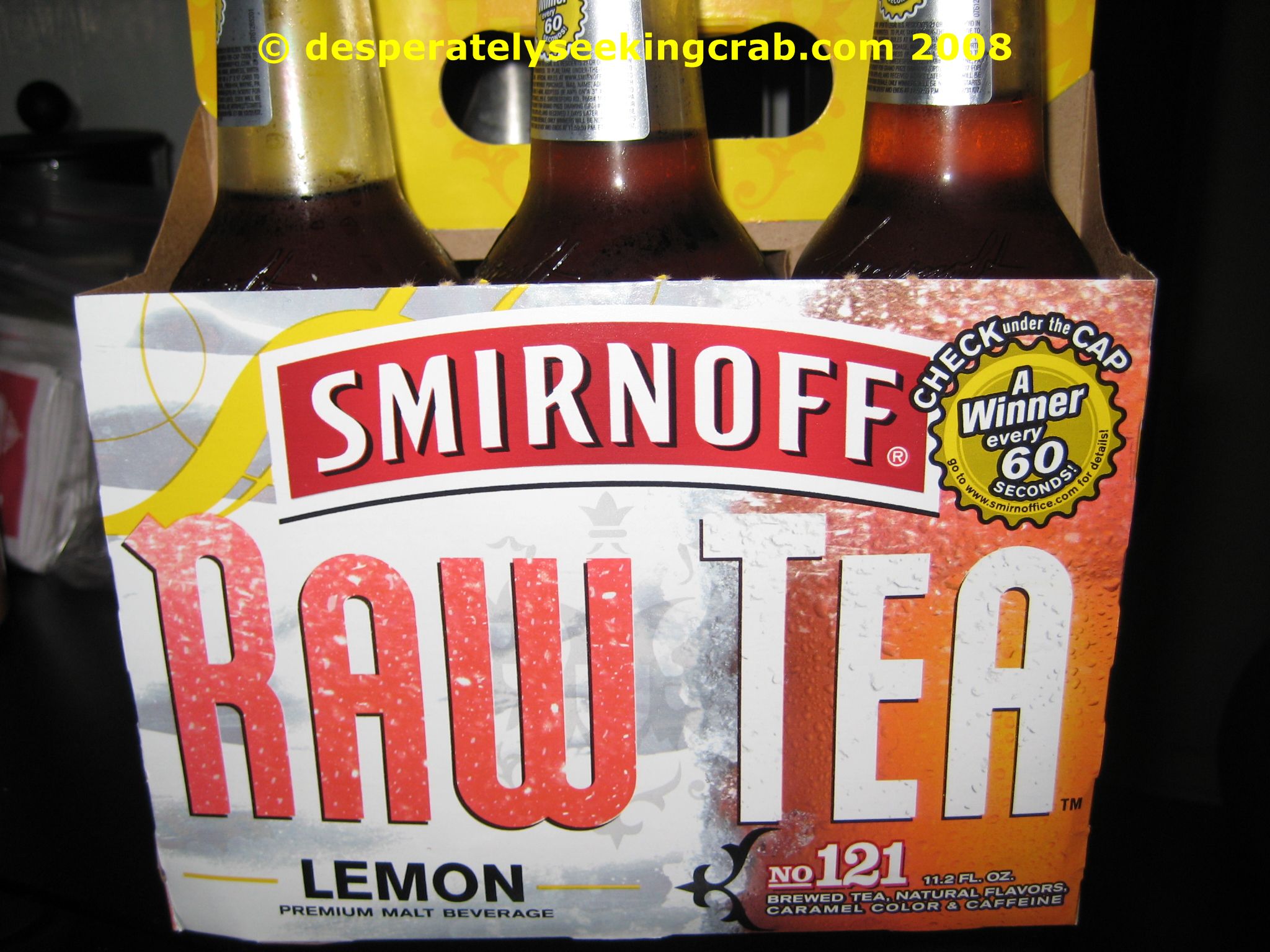
While tea has been around for centuries and it is drunk like water in Asia, it has yet to become as popular in the United States. So…why not try to market tea as an alcoholic malt beverage!? Although I saw this a few months back at a local supermarket when I went back for a visit back to the U.S.A., this product was originally launched in 2006. “RAW TEA” made by Smirnoff (Diageo), is marketed towards the young, white, wealthy college crowd and comes in green tea flavour and black tea with lemon, peach or raspberry flavours. Every comment I have read about this product focuses on the advertising campaign and no one seemed to question whether some people may think that this malt beverage would somehow be thought of as healthier than say, a rum and coke. I guess in the eyes of marketing execs, what the difference between blending tea and alcohol versus blending juices and alcohol?

I decided to buy a six-pack of “RAW TEA” because I was very curious on what it would taste like. It costs around the same price as an imported pack of beer would and bought the lemon flavour to be “safe”. There was almost no taste of tea and it tasted like vodka mixed with sweet and sour but with some other much more sour flavour added as well. I didn’t finish that bottle and ended up throwing most of it down the drain. Who knows, perhaps the other flavours taste better. Regardless, from a foodie point-of-view, it seems like a marketing gimmick and a farce to market tea with alcohol. Who are they kidding? As if this product is actually healthier than the combination of alcohol and artificial fruit flavours such as in wine coolers? What’s next, alcoholic goji juice?

Summer Heaven

Ah summer…while many of my friends and family are bracing the winter chills, I am grateful for the warm weather and blissfully happy about the produce that it brings! After spending the last four months in a tropical climate, it is nice to see such varied fruit available for sale at the markets. Don’t get me wrong, I love a good mango, papaya and pineapple but I would feel torn if I had to pick between tropical fruits and stone fruit.

So I went crazy one day at the local produce market and bought five different stone fruit in one shopping expedition! What came home with me were: yellow nectarines, white nectarines, white peach, donut peach and peacherines. I have to admit, I am not that familiar with peacherines but these ones were highly acidic and although very flavourful, I was stunned by the bracing acidity it gave me.

The “donut” (USA) or “saucer” (AUS) peach is a curiously flat-shaped heirloom variety that is a direct descendant of the original Chinese flat peach. Although fairly “new” in markets, it was originally thought to have been cultivated in America in the 1800s but because Americans preferred their peaches bright yellow, the flat peach was not popular due to its white flesh. It is interesting that white peaches are the norm in Asia, while the yellow peach is the norm in the west. In Japan, white peaches are huge and flawless and can set you back around $5USD or more for one, depending on the quality.

If you happen to get a good deal on white peaches that are ripe but not bruised, can them in gorgeous glass jars. I always use a medium-bodied syrup with real vanilla beans because the aromatic vanilla really compliments the fragrant white peaches. When left to infuse for a few months and chilled, it makes for a great dessert during winter to wipe away the seasonal blues.

Crab Season

Catching Crabs with a Crab Net

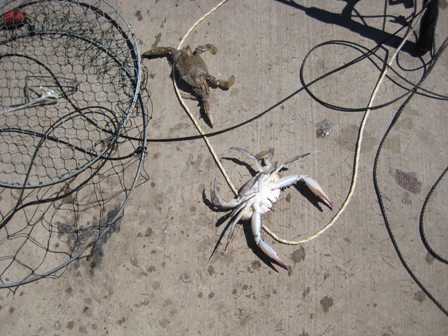
Most fishing experts claim that it’s best to go crabbing during the months with a “r” in it here in South Australia although crabs can supposedly be caught all year round. Judging by our crabbing luck, I believe in the fishermen’s advice. Blue Swimmer (Portunus pelagicus) crabs are the species that everyone here looks for – they are small compared to the Dungeness crabs (Cancer magister) that I was used to in San Francisco and all up the Pacific Northwest but they are still very tasty. The meat is sweet and delicate and is very tasty when tossed with some pasta, olive oil, garlic, chillies and freshly grated Parmesan. Although you can buy crabs in the markets here, it is so much more fun and rewarding when you go through the effort of catching them yourselves.

I also believe that if you find food growing in unexpected places such as on a tree, growing wild by the side of the highway or digging up clams on a beach that you never even been to before, the sheer excitement of finding food either by fishing or simply stumbling upon it in unexpected places makes me giddy like a small child. You will hear of many entries where I search for food in my neighbourhood or while on my many road trips. Bon appetite!

Design a site like this with WordPress.com
Get started