Feeds:
Posts
Comments

A Bouquet of Spinach

$1.99 for this great big bunch of spinach!

In North America, what we call “spinach” is something that is about a foot long, dark leafy green with fairly tender stems which also comes in the “baby” form. Imagine my surprise when I was at my local greengrocer and saw this gigantic bunch that I first mistook for flowers, then I thought it was kale. Hmm…it wasn’t even refrigerated but instead stacked up in neat rows like big floral bouquets and it wasn’t until I read the price sticker that I realized that it was indeed SPINACH! English Spinach to be exact and it was a bargain $1.99. I had to buy it and see if it tasted different and truly wanted to test how creative I could be with this beast. Now I know for many of you, that kind of mature spinach is no big deal and you probably grew up with it but for me, it was a great novelty because it was as if the spinach was on steroids.

So I took it home and did cooked it in a slightly boring, yet yummy way – sauté it with olive oil, garlic, chili flakes, salt & pepper. But then, where do I store the half a ton of spinach I still had left? I knew that if I put it in my minuscule fridge that it would take it over completely and wilt it at the same time so I decided that my large crystal Royal Doulton water pitcher was the best place (like a vase) to store it. Amazingly enough, it stayed pretty fresh for about 3 days when I remembered that I still had it. I was simply too lazy to think of creative spinach recipes so I decided to make an Asian inspired soup which my husband didn’t really care for (which is surprising because he eats virtually anything).

I was making braised pork belly (Asian-style w/soy sauce & 5-spice) and decided to boil the belly first in water and then cook it in the marinade. After skimming the scum off the liquid, I used the lightly pork-flavored broth for the base of my spinach soup (I love pork broth and it is definitely not done enough – more on that another time). I then chopped the rest of the lot of spinach into bite sized strips and some slivers of daikon, crushed garlic clove, 1 cm piece of sliced ginger, salt, pepper, chili flakes, sesame oil, and a hint of soy sauce. I thought that the soup was very flavorful and nutritious and fairly comforting especially since it’s starting to get a bit cooler outside. My husband on the other hand, being English, did not find the soup comforting…in fact I think he said that it tasted a bit like liquid dirt. A Pinot Noir probably would have complimented the earthy tones of the soup! (just kidding).

Fresh Pistachio Nuts

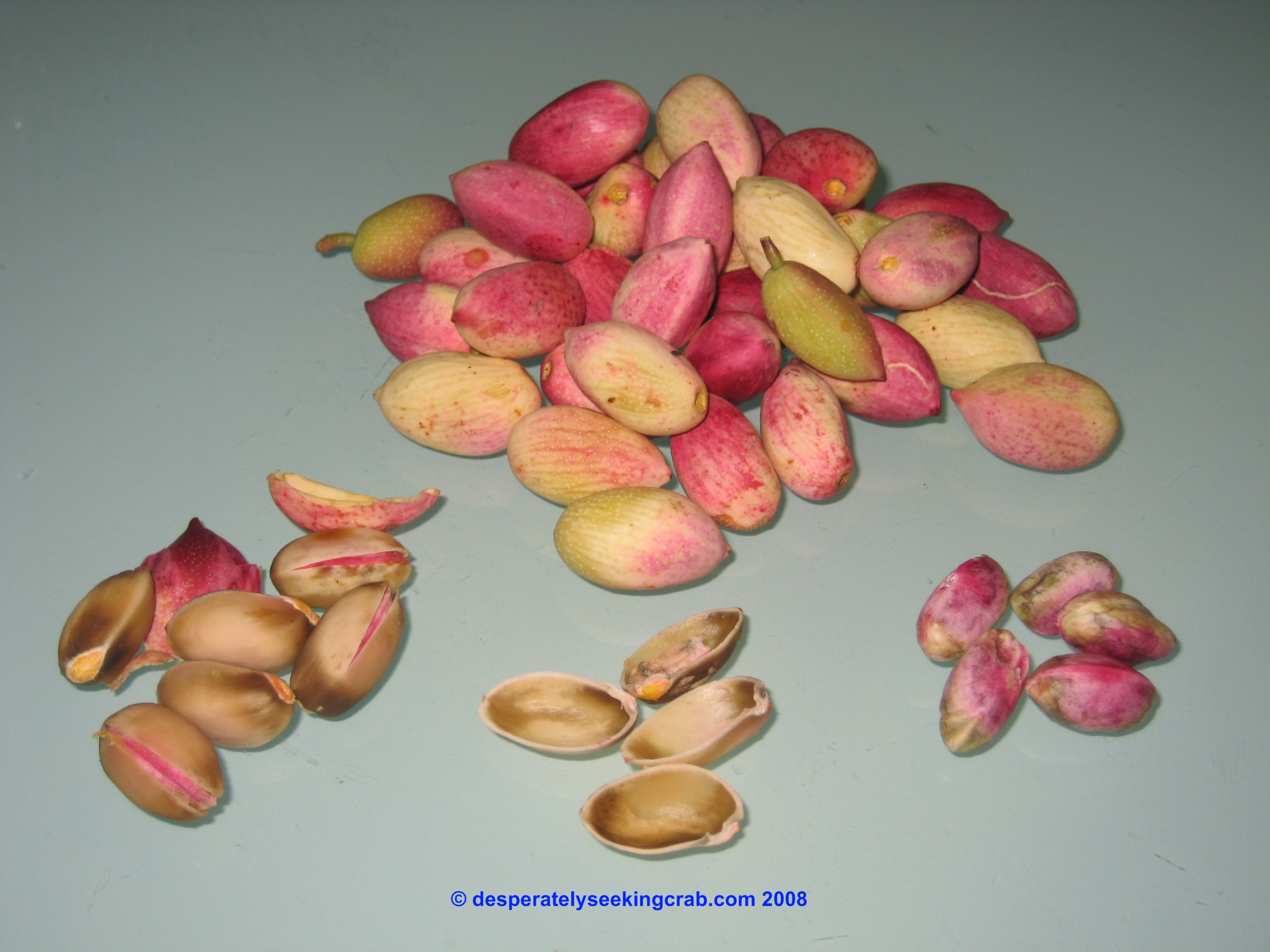
Fresh Pistachios Pistachios Dissected

I remember when I first saw fresh pistachio nuts at a farmer’s market here in Adelaide last year, I had never seen them in its unadulterated state before and it made me giddy to try one of my favourite nuts fresh and without all the extra salt that the roasted ones are often coated with. When I was a kid in the USA, I often remember roasted and salted pistachios that were dyed red (though they are becoming less common now) and I could NEVER understand why there was any need to dye them at all but according to Micheal Moyer, Jill C. Shomer, Trevor Thieme and Bob Sillery on http://www.popsci.com:

Until the mid-1970s, all pistachios sold in the United States were imported, mainly from the Middle East. The traditional growing and harvesting methods used by pistachio farmers in countries such as Iran, Syria, and Greece often left blemishes on the outer shell, which American importers would mask with a red vegetable dye. But with the growth of the domestic pistachio industry, the days of the red pistachio may be numbered. About 96 percent of the pistachios currently sold in the United States are grown in California. These nuts are harvested without blemishes, which makes the red dyes moot.

Very interesting…anyway, back to the fresh ones. Fresh pistachios to me are such an amazing treat and because they are seasonal (end of summer), I get so excited when I see them come to the markets every year. I get home and eat them over a few days (usually in front of the television) which is why I have yet to actually cook with them. Being an ex-pastry chef, I naturally think about all the sweet dessert that would work well but I know that pistachios can be used in many savoury ways as well. I personally love pistachios, pears and cardamom together as a combination and I ADORE pistachio ice cream/gelato (I always ordered pistachio gelato at every gelato stand I went to in Italy).

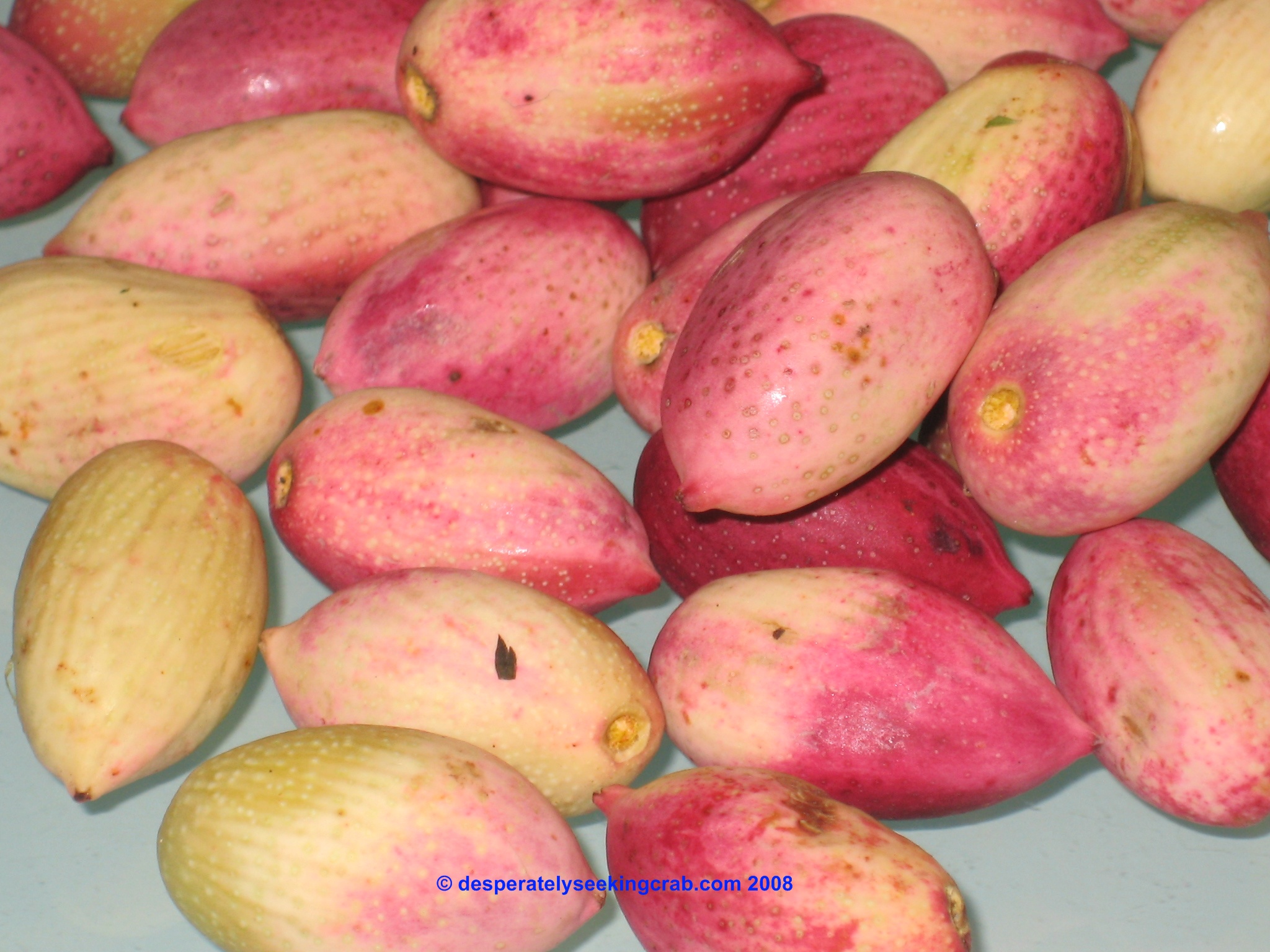
Fresh pistachios have this beautifully pink and white outer “skin” which feels a bit like a thick flower petal – that needs to be peeled off. Then you quietly hope that the shell you are about to open is already slightly split because it’s a darn sight easier to get the nut out than if it is completely shut. If shut (which many are), either pop them into your mouth and crunch on them with your molars and hope that you don’t knock an old filling out OR you could get a nut cracker and open it in a more civilised way (I am usually too lazy to get a nut cracker)! The nut is very moist, sweet with a grassy, fresh undertone and has a brilliant green colour on the outside and creamy yellow on the inside. If you ever encounter them at your local market, try to choose ones that don’t look bruised and that have no black spots on the outer skin. If you love pistachios as much as I do, your first mouthful will be absolute heaven!

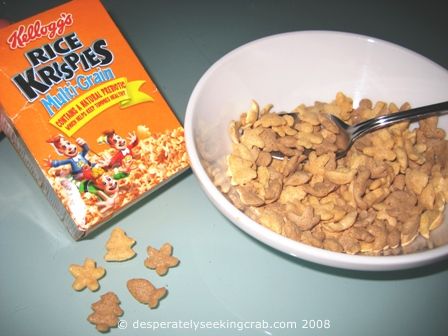
When I was in the UK, I came across this unusual variety of Rice Krispies (called Rice Bubbles in Australia) as one of the cereal choices at our hotel breakfast buffet. Maybe someone can enlighten me on whether this new “multi-grain” flavour is available in other countries. I forgot that I brought this box of cereal home so it sat in the back of a cupboard for a little too long and when I finally decided to eat it, it was a bit stale but the texture and taste was a little bit surprising. It was sort of like eating lightly sweet puffy cardboard – nothing really resembling the original Rice Krispies except for them being puffed. It’s great that it contains some natural prebiotic (probiotic) but I imagine that yogurt is probably a better and tastier alternative to make kids “tummies” healthy. Although processed, I think that it’s still better than the super sugary cereals with lots of food-colouring in it (you all know what I’m talking about).

Fresh Ginkgo

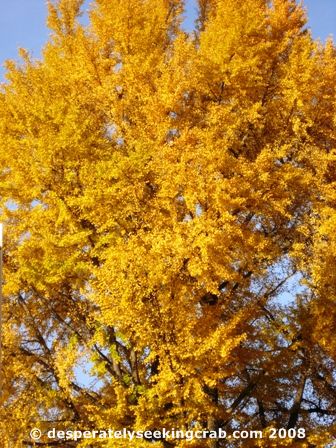
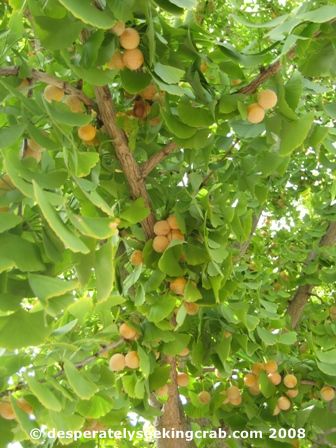
Beautiful Mature Ginkgo in Washington D.C.

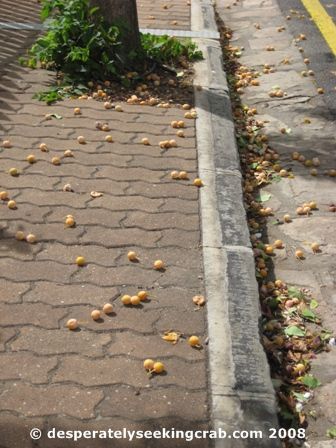
Fresh Fallen Ginkgo

As a child, I treasured my grandmother’s chawan mushi, or savory Japanese custard with lots of goodies in it like shrimp, chicken and fish cake. Whenever she’d make it, I always asked for seconds so she started to make extra to anticipate my greedy request for more. The only thing that I didn’t find pleasurable when eating my chawan mushi was finding the one little yellow ginkgo seed (ぎんなん ginnan in Japanese) at the bottom. It was bitter and sort of squishy and the only thing it reminded me of was Chinese bitter melon (which I also didn’t like). But as I grew older, I started to look forward to the ginkgo (often sold as “white nuts” in Chinese grocery stores in tins) at the bottom of the dish and even liked them skewered and sprinkled with salt on a stick at yakiniku restaurants.

Ginkgo nuts are grown on beautiful trees that turn an amazing bright yellow in the autumn and brighten up the dullest rainy days. From the information I could find on Ginkgo trees, they have been around for over 200 million years and have done little evolutionary change during that time. In western cultures, ginkgo biloba is created as a supplement (often in energy drinks) to aid memory – the plant definitely has been found to contain phytochemicals. In all the years that I have seen ginkgo biloba trees, I have never seen it bearing fruit until about a month ago when I drove through a tiny lane in my neighborhood and saw a ginkgo tree (on the sidewalk) with a great big orange sticky mess under it. I immediately pulled over the car and ran towards it and realized that it was indeed ginkgo seeds! I was so excited that I crabbed a plastic bag from my car (I always carry them) and started to load up on these orange, wrinkly cherry-like seeds from the road. I honestly didn’t understand why I was so excited because I don’t even love them but I think just the novelty of them made me giddy.  Actually, I felt a little sorry for the people who owned the house in front of the tree because it was making a huge mess everywhere and it spilled onto the tarmac as well.  I can tell from the mess around the tree that no one was picking these or cared to – probably because of their smell or because their use is not common in western cuisine.

For those of you who have ever smelled what fresh ginkgo seeds, you know what I’m talking about. The fresh pulpy orange fruit that surrounds the seed (nut) tastes a bit like orange and apricot with a dash of Angostura bitters but it smells sort of like…how do I say this nicely?  It smells like fresh sweet vomit. When I got it home, I didn’t even notice the vile scent coming from the bag because I was so excited to even collect fresh ginkgo but my husband stayed very far away from the kitchen when I was removing the seeds from the pulp. So far, I have about a couple of kilograms of ginkgo seeds and I truly am not sure what I’ll do with them apart from using a few in chawan mushi (I know that the Chinese make soup with ginkgo seeds) so if anyone can send over some recipes to use these ginkgos, I’d certainly appreciate it!! 🙂

Crab Raking


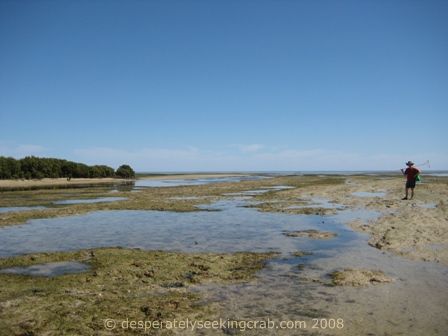
Walking in the Mud Flats

Walking in the Mud Flats

Rather Unattractive Shot

Rather Unattractive Shot

Walking Back to the Car

Walking Back to the Car in the Heat

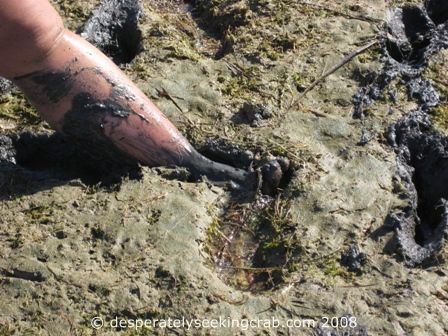
Mud was almost a food deep in places

My leg was all scratched and cut up

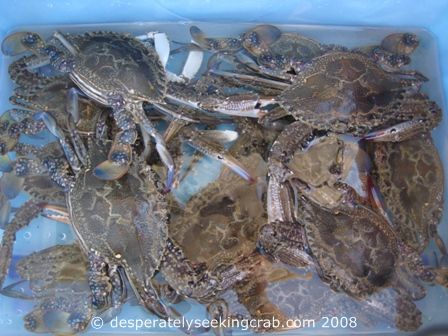
Here are the Blue Swimmer crabs, our biggest bounty yet!

The bottom crab is legal sized and the top one is gigantic!

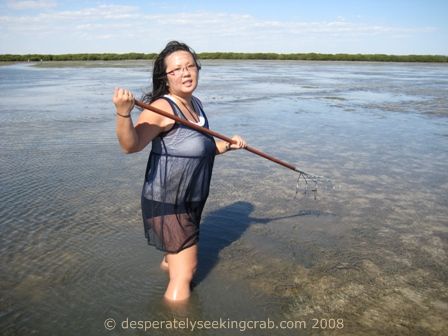
Yes, the title is about “raking” crabs…you haven’t read wrongly. It is a South Australian tradition to go to the coast (often where mangroves grow) and trek through thick muddy sand armed with some rakes (specially designed to catch crabs) and an old baby bathtub (or whatever plastic tub that size) in tow to put the crabs into. This type of crab fishing is very different to catching them by merely throwing a crab net overboard from a city beach jetty and waiting every few minutes to see if any crabs have crawled in to eat your bait. Crab raking on the other hand is far more rewarding BUT is so damn tiring and dirty that we have to think twice about it before we rush and do it again, especially now that the cold weather has already started to settle in.

We probably needed a few locals to help guide us and/or tell us beforehand what to except with crab raking. Trying to read fishing books or websites hardly gives any clues worthwhile so, armed with our crab rake and our bucket (we forgot our big tub), we decided to just head towards the beaches that are famed for crab raking. The first beach we got to, the water was so far away that you could barely see it – all you could see was sand because the tide was way out. So we headed north to try the next beach and it was a similar situation except it seemed like the water was nearer. There were three other cars parked on the sand so we just followed suit and started walking and walking and walking about 2 kilometres or so. Stupid me, I forgot to bring my sand shoes (reef walkers) so my Crocs were getting sucked into and stuck in the muddy sand. I then gave up walking in Crocs and decided that barefoot was the easiest way to walk in the nasty, smelly muddy sand. When we finally reached some water, it was only 6 to 10 inches deep and I couldn’t understand where we’d find crabs. So many times we questioned whether this was worth our time but two other small groups (very far away) were making lots of “woohoo, yeeha, yeeaahh” noises so we figured that they must be catching crabs.

All of a sudden, we started seeing crabs walking around and then another. We couldn’t figure out where the rake but then soon realized that they hide and dig themselves under very flat sandy patches. In once sandy patch, we found over 15 crabs!! Legally, they have to measure 11cm from the base of their longest spine across the carapace and we found so many large crabs there. Our largest was 17.5cm and it was amazing. I even stepped on a crab by accident and thrust it deeper into the sand. It truly freaked me out and I screamed because of the unexpectedness of a crab being under my feet. I then reached down and pulled the crab out of the depths of the mud and let that one go!

It is easy to get carried away with how far you are walking out to search for crabs and little do you know, you’ve walked another couple of kilometres out. Luckily my husband was the disciplined one and told me when it was time to go home. I’m glad he did that otherwise I am not sure I’d have had the strength to have walked all the way back to the car. The sand and constant rubbing on my legs started to take its toll on me. My legs were very raw and scratched up and I started to get sores that looked very disgusting. My husband was smart enough to bring his sand shoes so he was fine but I wasn’t so prepared. When we finally reached the car, my feet were all cut up and so were my legs and it was over 40C (104F) that day. Exhausted, we decided to drive to a beach near the city and take a dip in the sea to wash off all the mud and to cool down.

As soon as we got home, I knocked on my neighbor’s door and asked to borrow a huge pot so that I could cook the crabs. I seasoned the water with garlic, chillies, bay leaf, peppercorns, salt and brought it to a boil and dropped all the crabs in. I shared them with a friend and my neighbors and froze a few for later but that night, my husband and I ate one crab each (the biggest ones) for dinner and they were very, very satisfying!! After all the pain, it was worth it…just.

Design a site like this with WordPress.com
Get started